


Please Leave Us A Message
Privacy statement: Your privacy is very important to Us. Our company promises not to disclose your personal information to any external company with out your explicit permission.

Jiangsu Tewei Machine Tool Manufacturing Co.,ltd
See Why More Shops Are Choosing This CNC Cutter
I keep hearing the same complaints from shop owners. The cuts look fine at the start, then the edge drifts. The crew spends extra hours fixing mistakes. Material waste keeps eating into the margin. Jobs stack up, and the shop floor feels rushed. That is why many shops are looking at this CNC cutter. They want cleaner work, steadier output, and a simpler process that does not wear the team down. I understand that pressure. When I work with shop owners, I often hear the same need: less...
Your Next Plasma Cutter Could Change Everything
I used to spend too much time fighting rough edges, slow cuts, and wasted material. That problem showed up in small jobs and bigger ones alike. I would mark a line on steel, start cutting, and still end up spending extra minutes cleaning the edge. When a project needs a clean fit, that extra work turns into stress. It also slows the whole shop. A plasma cutter changed the way I look at metal work. It gives me a faster path when I need to cut steel, stainless steel, or aluminum with more...

Why Smart Fabricators Are Making the Switch Now
I keep hearing the same question from shop owners and production managers: why are smart fabricators making the switch now? I see the answer every week. The pressure is already inside the shop. Orders change fast. Quotes take too long. Machines sit idle between jobs. Material gets misplaced. A skilled worker spends too much time on repeat tasks that should be simple. By the end of the day, the shop is busy, yet the numbers do not feel right. That is why more fabricators are moving...
The CNC Plasma Cutter More Shops Trust Every Day
I have seen the same problem in small shops, repair yards, and fabrication teams. The cut starts off rough. Parts do not match. Edges need extra grinding. A job that should feel simple turns into wasted plate, wasted labor, and extra stress. That is why many shops keep turning to a CNC plasma cutter. It gives me a cleaner path from drawing to finished part. I can load a file, set the material, and let the machine follow the cut line with a steady hand. When I need repeat parts, I do not...
87% of Fabricators Switched to This CNC Plasma Cutter—Why Haven’t You?
87% of fabricators have already upgraded to this CNC plasma cutter—and for good reason. Built for speed, precision, and productivity, it helps businesses cut through materials faster while maintaining clean, accurate results. Its advanced performance streamlines production, reduces downtime, and improves overall efficiency, making it a powerful solution for shops that want to deliver more in less time. If you’re aiming to stay competitive, boost output, and upgrade your fabrication process with...

From Guesswork to Great Results with CNC Plasma Cutting
I used to see CNC plasma cutting as a machine that could save time only if the operator got every setting right by luck. That view changed fast. When I worked with metal parts that had to fit well on the first try, I kept seeing the same problems. Parts came out uneven. Edges needed extra cleanup. Small errors spread through the whole job. A cut that looked fine from a distance still caused trouble during welding or assembly. I learned that good CNC plasma cutting is not about guesswork....
Precision Made Simple: ±1mm Accuracy for Every Cut
I used to lose too much material on simple cuts. A small mark on the tape, a slight shift in the guide, one rushed pass with the saw, and the board no longer fit the way I wanted. I would check the piece, trim it again, then trim it one more time. That meant more waste, more dust, and more stress. For cabinet work, trim jobs, shelving, and shop projects, I needed a way to keep every cut consistent without slowing down my workflow. That is why precision matters to me. When I work on a...
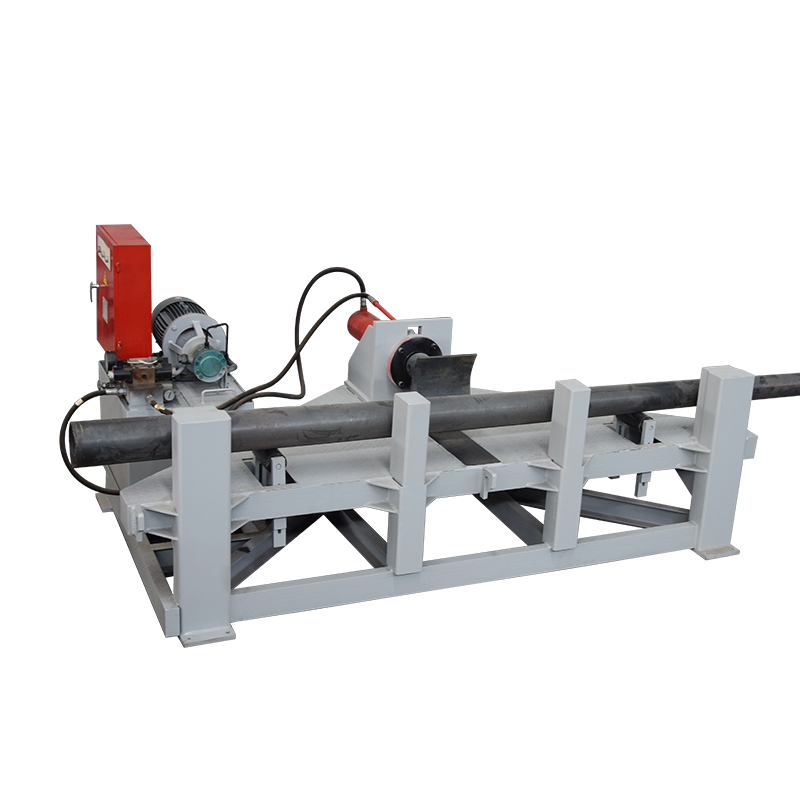
Faster Cuts, Cleaner Edges, Less Hassle
I know the problem well. When a cut drags, the edge frays, and the material shifts under my hand, the whole job feels harder than it should. I waste effort on cleanup. I lose confidence in the result. A simple task like trimming cardboard, vinyl, foam board, or thin wood turns into extra work. What I want is simple: a cut that moves fast, leaves a neat edge, and does not ask for much force. That is the real value behind this kind of tool. I look for three things every time I choose a...
Tired of Uneven Cuts? See Our CNC Plasma Cutter in Action
I used to lose a lot of time to uneven cuts. A plate would look fine from a distance, then I would lay two parts together and see the gap. One edge sat a little high. Another side needed extra grinding. A bracket that should have fit cleanly turned into a small repair job. That kind of work slows a shop down, and it also makes every next step harder. That is the problem I wanted to solve. When I watched a CNC plasma cutter work, the difference was easy to notice. The cut path stayed...
Stop Wasting Material—Get ±1mm Plasma Cuts You Can Trust
I know the cost of wasted sheet stock. I also know how fast a small cut error can turn into scrap, rework, and a delay on the floor. When I talk with shop owners, the same pain points come up again and again: The part is close, but not close enough. The hole is off by a few millimeters. The edge needs extra grinding. The nest looks good on screen, then the real plate starts moving under heat. A job that should be simple turns into a repair job. That is why I focus on plasma cutting with...
Tired of Inconsistent Cuts? Our CNC Plasma Cutter Delivers ±1mm Accuracy—See the Proof!
Tired of uneven edges and inconsistent cuts? Our CNC plasma cutter is built to deliver the precision you need, with proven accuracy of up to ±1mm for clean, reliable results across a wide range of metal-cutting jobs. Whether you’re working with mild steel, stainless steel, or aluminum, stable torch height, precise machine alignment, clean dry air, and properly maintained consumables help ensure straight cuts and consistent performance every time. With advanced CNC control, fast cutting speed,...
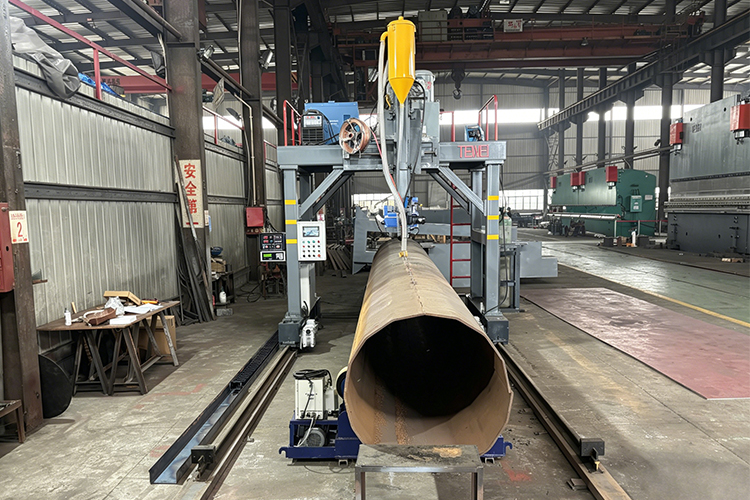
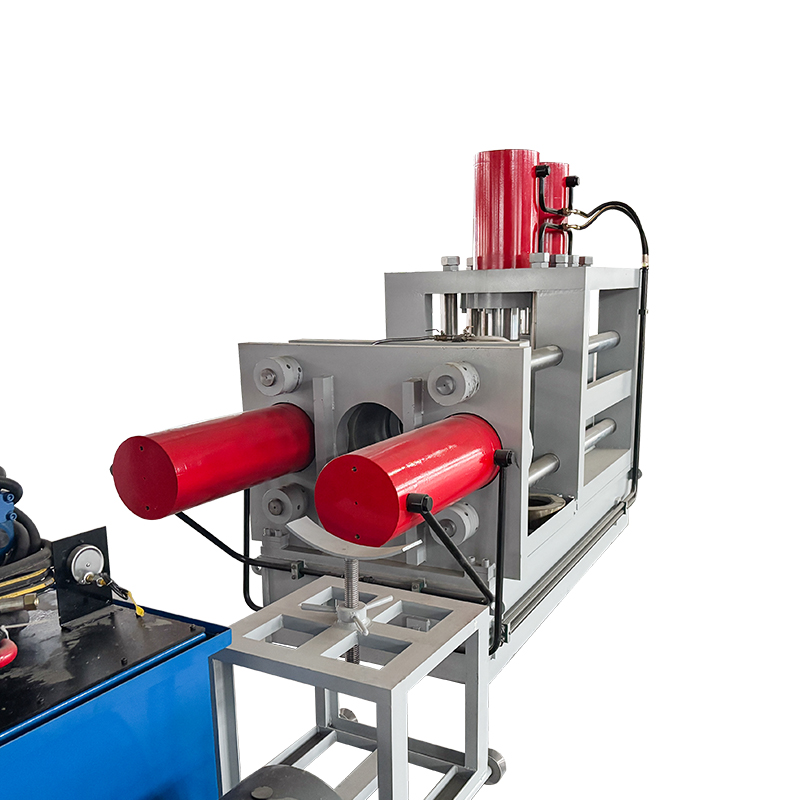
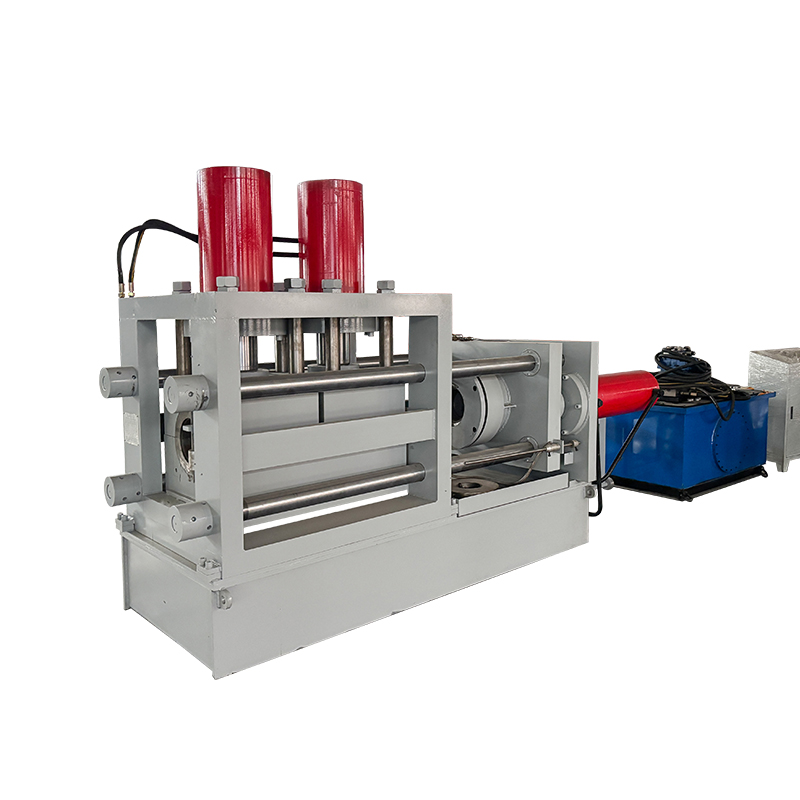
From Novice to Expert: Building Competence Foundations with Reverence (Part 3)
Operating pole straightening machines demands dual cultivation of technical precision and responsibility awareness. For beginners, certification serves not merely as an "entry credential" but as a "growth roadmap" —requiring systematic study of equipment principles, material properties, and safety protocols, rather than settling for superficial skills like "operating the machine or pressing poles." To avoid practical pitfalls, we must adopt "slow thinking" during every operation: during...
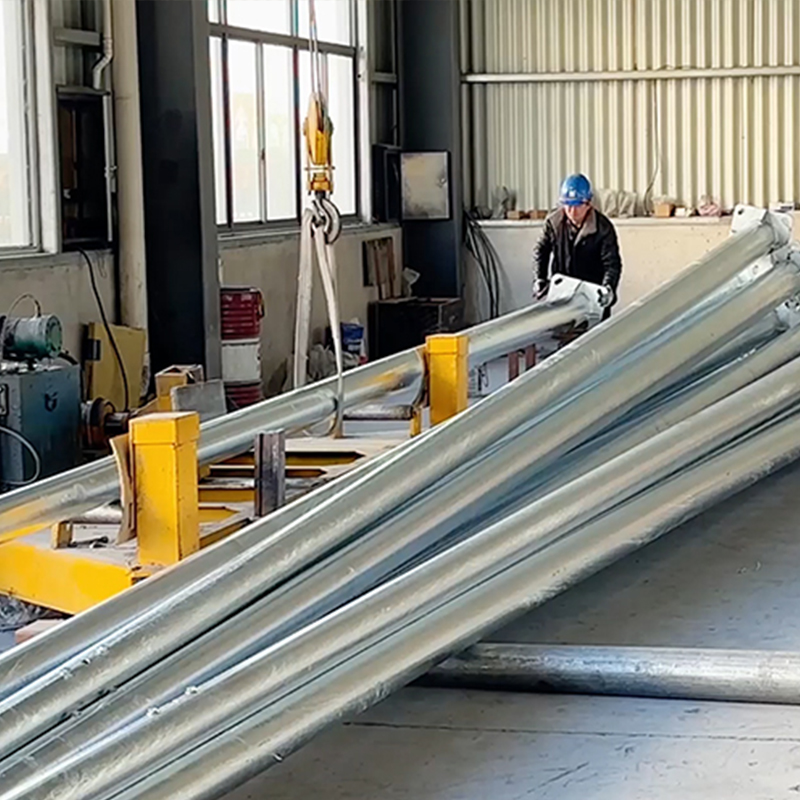
Five Common Pitfalls New Operators Should Avoid: From Cognitive Bias to Operational Errors
Even with basic qualifications, beginners may still fall into operational pitfalls due to inexperience. These "traps" often stem from misinterpretation of equipment characteristics, disregard for process logic, or oversights in details. Let's break them down one by one: 1. Skipping Pre-treatment Before Direct Operation: Hidden Safety Risks Some beginners mistakenly believe "alignment equals rigid pressing," securing deformed lamp poles onto machinery without inspection. In reality,...
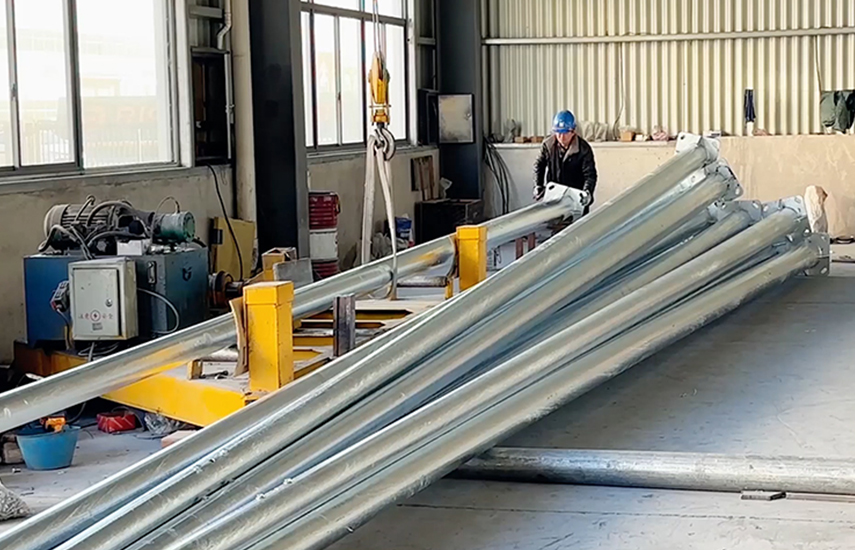
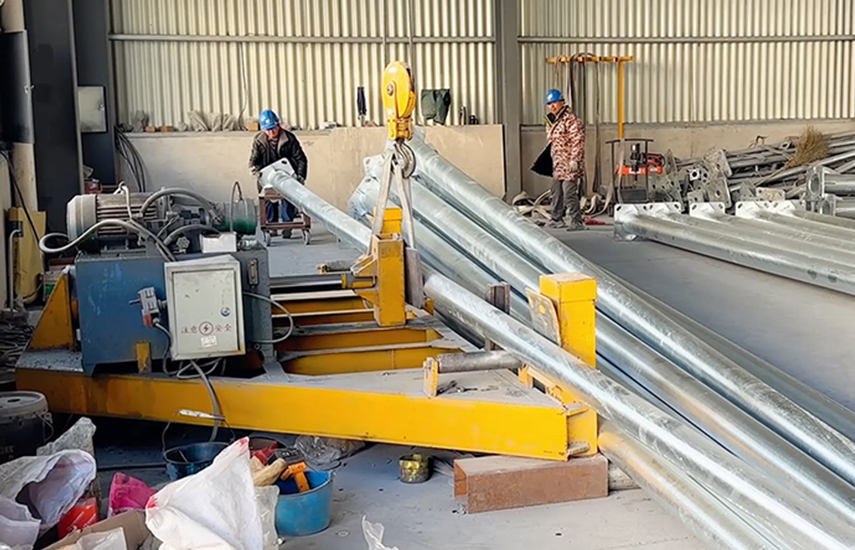
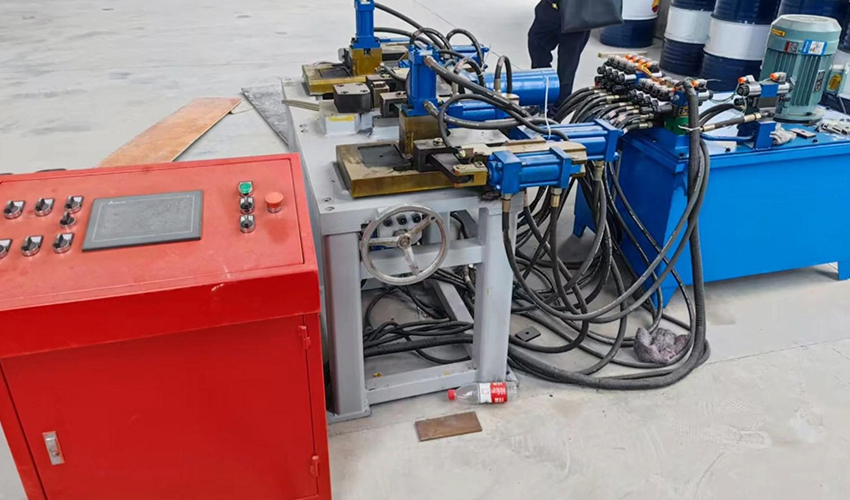
Operating a Lamp Post Straightening Machine
Essential Qualifications and Beginner's Guide to Pitfalls In the fields of metal processing and municipal infrastructure maintenance, lamp post straightening machines serve as critical equipment for repairing deformed lamp posts. These devices employ mechanical pressure or hydraulic drive systems to precisely correct bent lamp posts, restoring their straightness and structural integrity. However, operating such equipment requires more than simple pressing or pushing—instead, it involves...
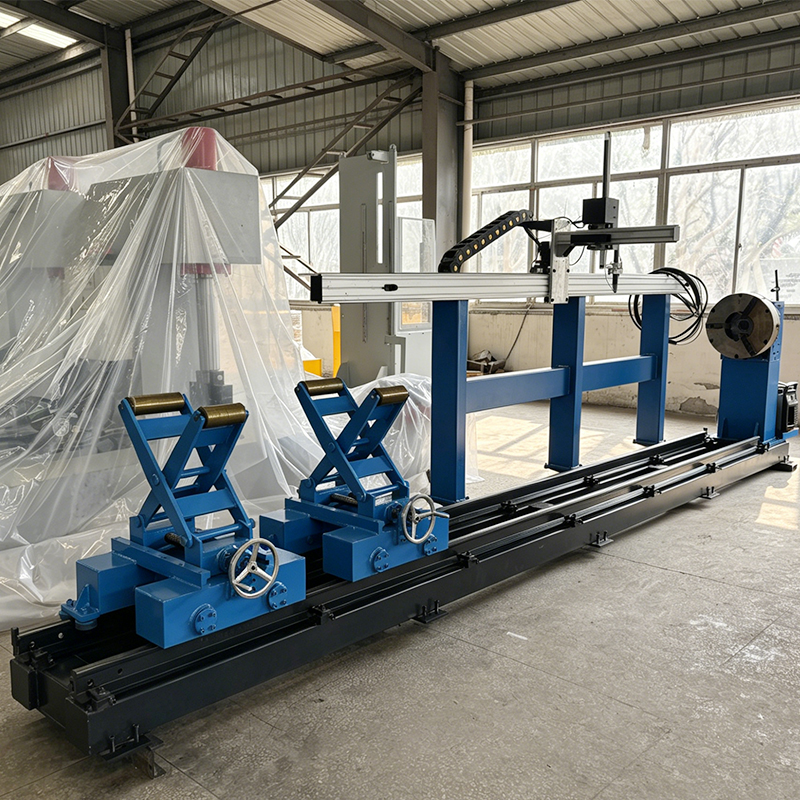
Save Time, Cut Steel in Seconds
I know the pressure that comes with steel work. A cut should not slow the whole job down.When the line is off, the edge is rough, or the tool takes too long to get through the material, the whole day starts to slip. I have felt that pause before the cut, the extra check, the wasted motion, and the cleanup that should never have been needed. What I want is simple. I want a steel cutting setup that helps me move fast, keep the line straight, and leave a cleaner edge.I want less rework.I want...
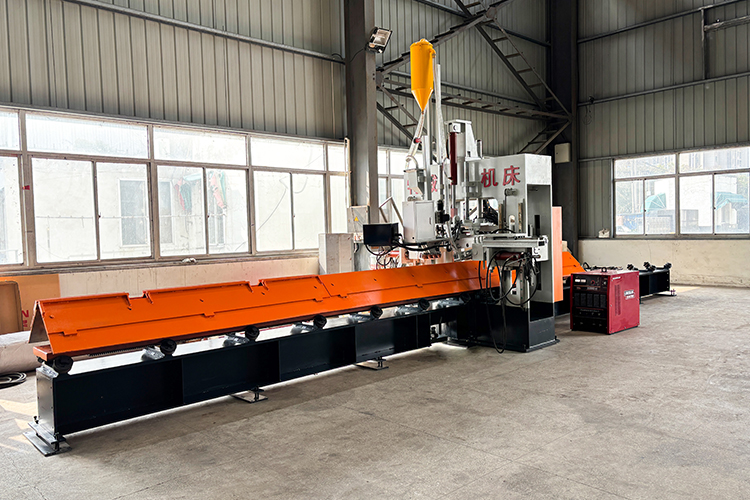
CNC Plasma Cutting for Faster Steel Jobs
I deal with steel jobs where delays show up fast. A sheet sits on the table, the clock keeps moving, and the next step waits for parts that are not ready yet. I have seen this happen in small shops and on bigger job sites. The usual pain points are the same: slow cutting, rough edges, too much hand work, and wasted material. CNC plasma cutting helps me handle those problems with less back and forth. I can load a file, set the cut path, and get parts out faster than I could with many manual...
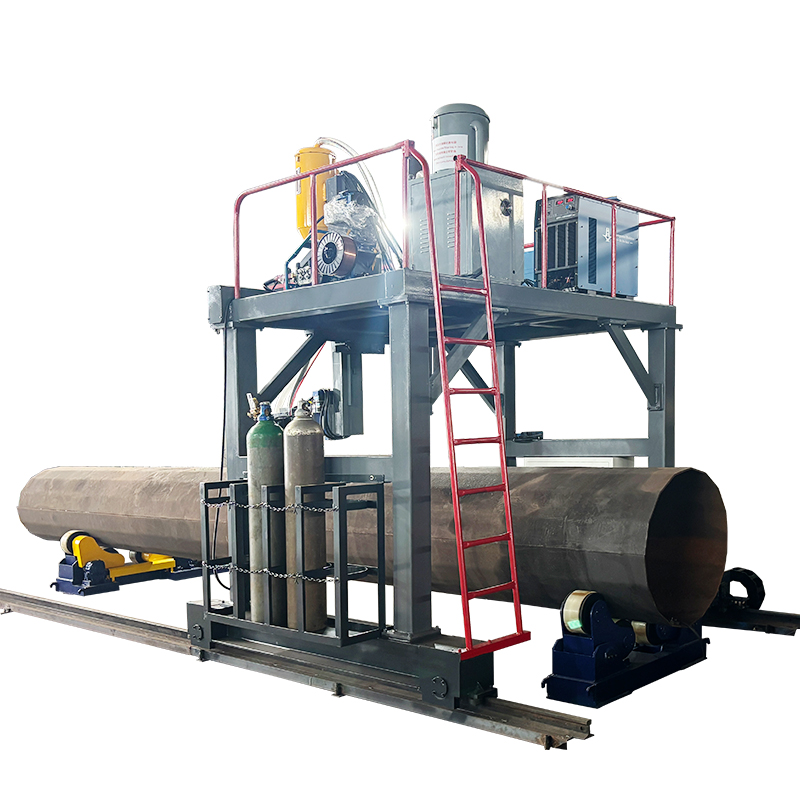
Still Losing Time on Steel Cuts?
I keep seeing the same issue in steel cutting shops: the work starts, the sheet gets loaded, and then the day gets eaten by small stops. A missing drawing.A mixed stack of plates.A wrong thickness tag.A cut path that needs a check.A part that comes off the machine and still needs extra work. Each stop looks small. Together, they slow the whole job. When I look at steel cutting, I do not see only the machine. I see the full path from the cut list to the finished part. If that path is messy,...
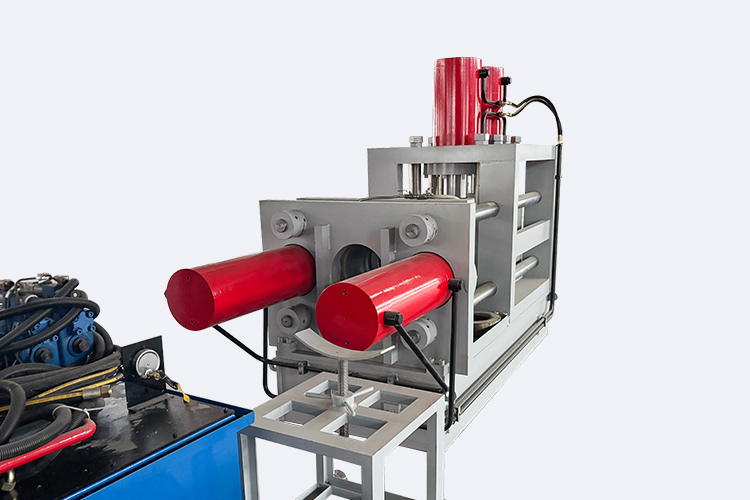
A CNC plasma machine helps me do that.
The reason is easy to see. Steel at 10mm thickness needs stable power, correct cutting speed, and a good setup. If the settings are off, the cut edge can tilt, the bottom can carry heavy slag, and the hole size can drift. If I am making brackets, machine frames, guards, or base plates, that means more work later. I keep my process simple. I check the material first. I look at the sheet surface, rust, scale, and flatness. A warped plate can affect torch height and cut quality. When I cut a batch...
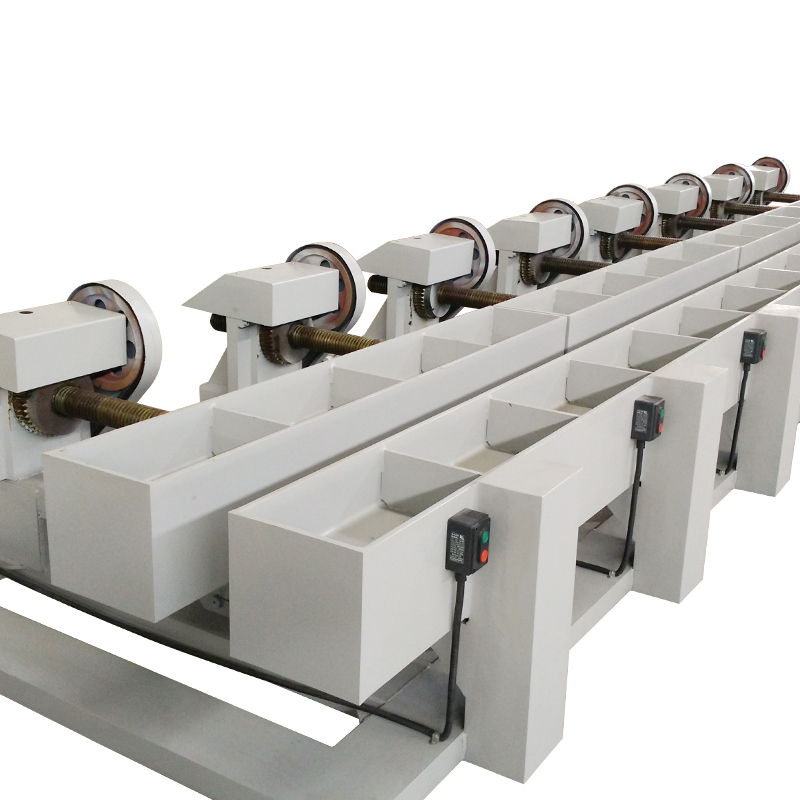
CNC Plasma Cutting Machine for Steel: Cut 10mm Thick Steel in Seconds—Are You Losing Time?
A CNC plasma cutting machine for steel is a fast, efficient solution for cutting 10mm thick steel in seconds while maintaining clean, consistent results. Using an ionized gas jet to melt and remove metal, it delivers high cutting speed, strong versatility, and lower operating costs than many traditional methods. For manufacturers handling steel and other metals, plasma cutting improves productivity by reducing cutting time, minimizing downtime, and supporting reliable performance across...

More Speed, Less Waste: The CNC Plasma Cutter That Pays Off
I keep hearing the same problem from shop owners and fabricators. The work starts with a clean drawing, then the sheet metal turns into scrap faster than expected. Parts need extra cleanup. Manual cutting slows the team down. Small errors show up at welding, then the rework starts. I have seen good jobs lose margin for reasons that had nothing to do with the design. A CNC plasma cutter changes that pattern. I like it because it helps me cut faster, place parts better on the sheet, and keep the...
Want Better Output? Try a High Precision CNC Plasma Cutter
I know the problem well. When I look at a shop that is fighting poor cut quality, I usually see the same signs. Edges need extra grinding. Parts do not fit the next step. Material gets wasted because the cut drifts. The team keeps checking settings, yet the output still feels uneven. That kind of work slows everything down, and it can make a simple job feel harder than it should be. A high precision CNC plasma cutter can help with that. I like it because it gives me more control over the...
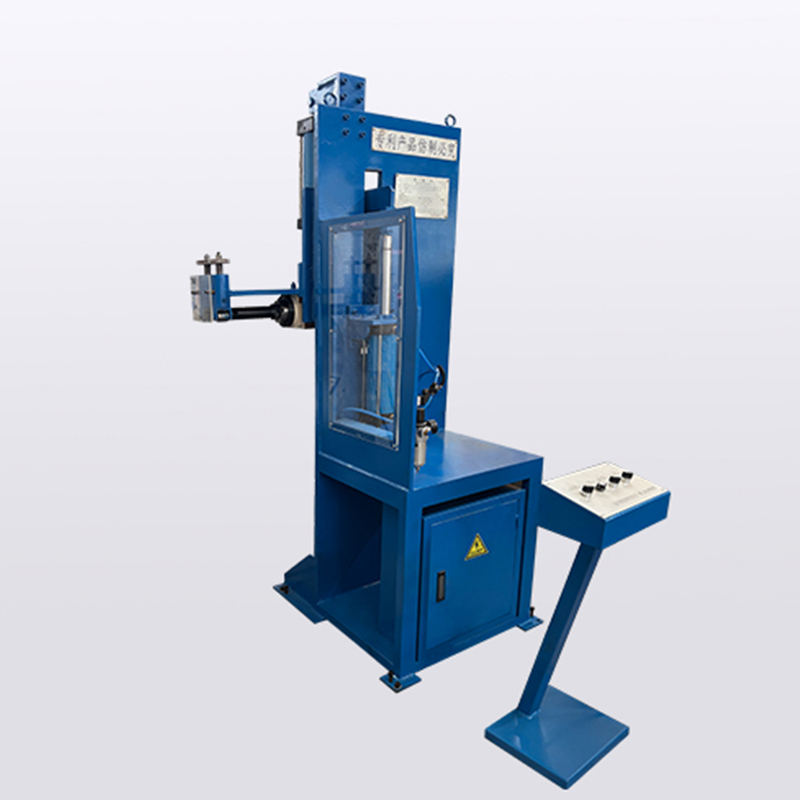
Faster Cuts, Less Scrap: The CNC Plasma Cutter Upgrade Your Shop Needs
I know the feeling of opening a scrap bin and seeing good material mixed with bad parts. The cut was close. The shape looked right. The edge still needed cleanup, the hole size drifted, and one warped part could ruin a whole batch. That is where I kept losing time, money, and patience. A CNC plasma cutter changes that daily pressure. Not with hype. With cleaner control, steadier cuts, and less waste on the shop floor. When I look at a plasma cutter upgrade, I do not start with specs...

Stop Settling: Why a Precision CNC Plasma Cutter Saves Time and Material
I see the same pattern in many shops. The machine works, but the cut drifts a little. The edge needs extra cleanup. The sheet gets used in a way that leaves too much scrap. A small error turns into a pile of waste. That is where a precision CNC plasma cutter makes a real difference. I do not look for a machine that only cuts metal. I look for one that helps me keep parts consistent, reduce rework, and use material with care. When I compare jobs, the gap is easy to see. A cleaner...
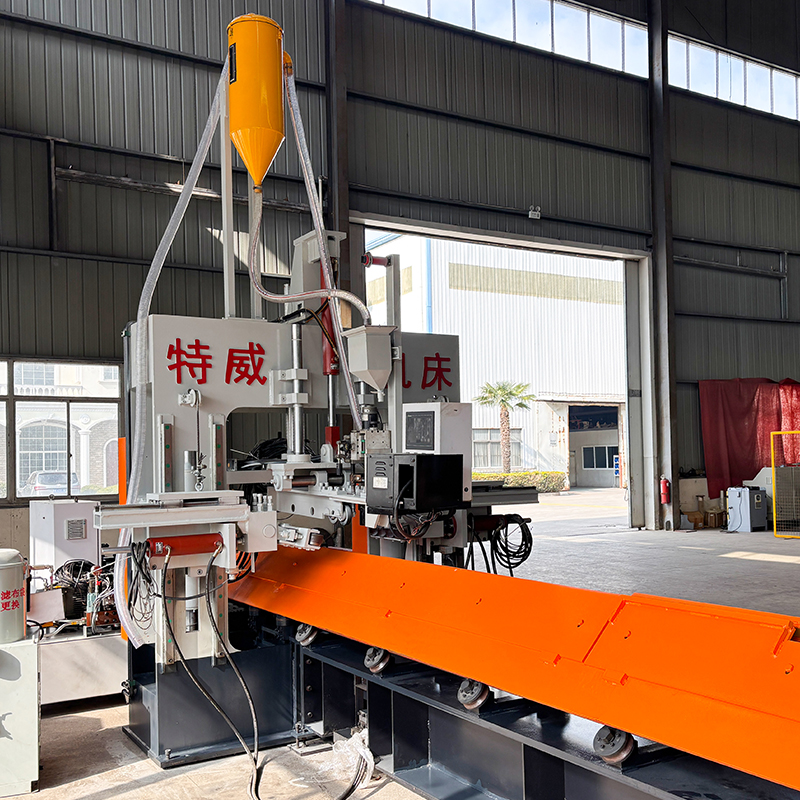
High Precision CNC Plasma Cutter: 30% Faster, 40% Less Waste—Why Are You Settling for Less?
High Precision CNC Plasma Cutter delivers a smarter, faster, and more cost-efficient way to cut conductive metals like steel, aluminum, brass, and copper. With up to 30% faster cutting and 40% less waste, it helps manufacturers boost productivity, reduce operating costs, and maintain consistent precision in demanding production environments. Compared with laser or waterjet systems, CNC plasma cutting offers lower upfront investment, easier maintenance, stronger versatility, and excellent...

Privacy statement: Your privacy is very important to Us. Our company promises not to disclose your personal information to any external company with out your explicit permission.
Fill in more information so that we can get in touch with you faster
Privacy statement: Your privacy is very important to Us. Our company promises not to disclose your personal information to any external company with out your explicit permission.